



 English (EN)
 Русский (RU)
 Українська (UK)
 español (ES)
 Türkçe (TR)


Best Trust Wallet Alternatives: Top 8 Wallets for USDT TRC-20
8 reliable alternatives to Trust Wallet for USDT TRC-20: full TRON support, seed phrase import, energy management and minimal fees for USDT transfers.
2025-12-02
129
Authorization is required only to use the service «Team energy»
Enter the e-mail you provided during registration and we will send you instructions on how to reset your password.
An error occurred while processing your request. Please try again later. If the problem persists, please contact our support team.
How to work with USDT TRC-20 in GemWallet: where to find the token, how to receive and send transfers, and what to know about TRON.
GemWallet works as a multichain wallet and supports more than 100 networks, but USDT TRC-20 has its own specifics. In the TRON network, resources such as Energy and Bandwidth play a key role, not just the familiar fees paid in TRX. If you understand this resource model, you can send and receive USDT TRC-20 with almost no extra costs.
In this article, you will learn:
This guide is strictly practical and focuses only on working with USDT TRC-20 in GemWallet.
For general information about wallet features, security, account recovery, and interface, see the overview article “GemWallet Review: Open-Source Wallet for 100+ Blockchains”.
First, you need to make sure that the GemWallet wallet displays the TRON network and is configured to show USDT TRC-20 as a separate token. After that, working with this asset becomes as simple as with any other token in the wallet.
The steps are as follows:
After this, USDT TRC-20 appears among the TRON network assets, and you can work with it like a regular token.
In the USDT list, several options are usually shown. It is important to:
A USDT TRC-20 address on the TRON network always starts with the letter T. If the format is different, another network is selected and the transfer may be sent to the wrong network.
Once the token is activated, you can receive USDT TRC-20 to your address. There are several important nuances here.
Steps to receive a transfer:
Key points to keep in mind:
After sending, the transaction is first recorded on the TRON blockchain and then appears in the activity section of GemWallet. The transaction hash can be copied and checked via the Tronscan explorer to see confirmations and transaction status.
Sending USDT TRC-20 in GemWallet is straightforward, but before confirming the transfer, it is useful to understand what exactly the wallet shows and how the fee is formed.
The basic steps are:
Before the final step, GemWallet shows a transfer summary. This screen displays the selected address, the amount of USDT being sent, the expected TRON network fee, and whether there are enough resources on the balance. If everything looks correct, the transfer can be confirmed.
Fees in the TRON network are structured differently from standard percentage-based transfer fees. Two resources are involved in every smart contract call.
A USDT TRC-20 transfer in GemWallet is an execution of a function in the USDT smart contract. It requires:
If the account has no Tron Energy, the wallet burns TRX from the balance to cover the deficit. An important detail: the USDT amount does not affect the cost of the operation. The network only considers how many resources are required to execute the contract.
The TRON network behaves differently depending on the recipient wallet status:
That is why the fee for sending to a new wallet can be noticeably higher, even when the USDT amount is the same.
When preparing a transfer, GemWallet shows the expected scenario:
Approximate costs look like this:
This burned amount is perceived as a fee, although in reality it is payment for the lack of Energy.
Sometimes, for one or two transfers, it is enough to buy a small amount of TRX directly in GemWallet. The wallet includes a built-in purchase section.
Steps to buy TRX:
This method has notable drawbacks:
This option works as a quick emergency top-up but becomes expensive if used regularly.
For users who frequently send USDT TRC-20, constantly buying TRX for fees becomes costly. In this case, staking and energy rental are more efficient ways to reduce transfer costs.
GemWallet supports TRX staking. The process looks like this:
The advantages are clear:
However, the amount of Tron energy received directly depends on how much TRX is staked and requires a significant capital commitment.
The downside is also obvious. Frozen TRX cannot be quickly sold or transferred, and the standard unfreezing period is 14 days. For urgent operations, this option is not always convenient.
When flexibility and savings matter, it makes more sense to avoid burning TRX on every transfer and instead rent energy.
Burning TRX is expensive:
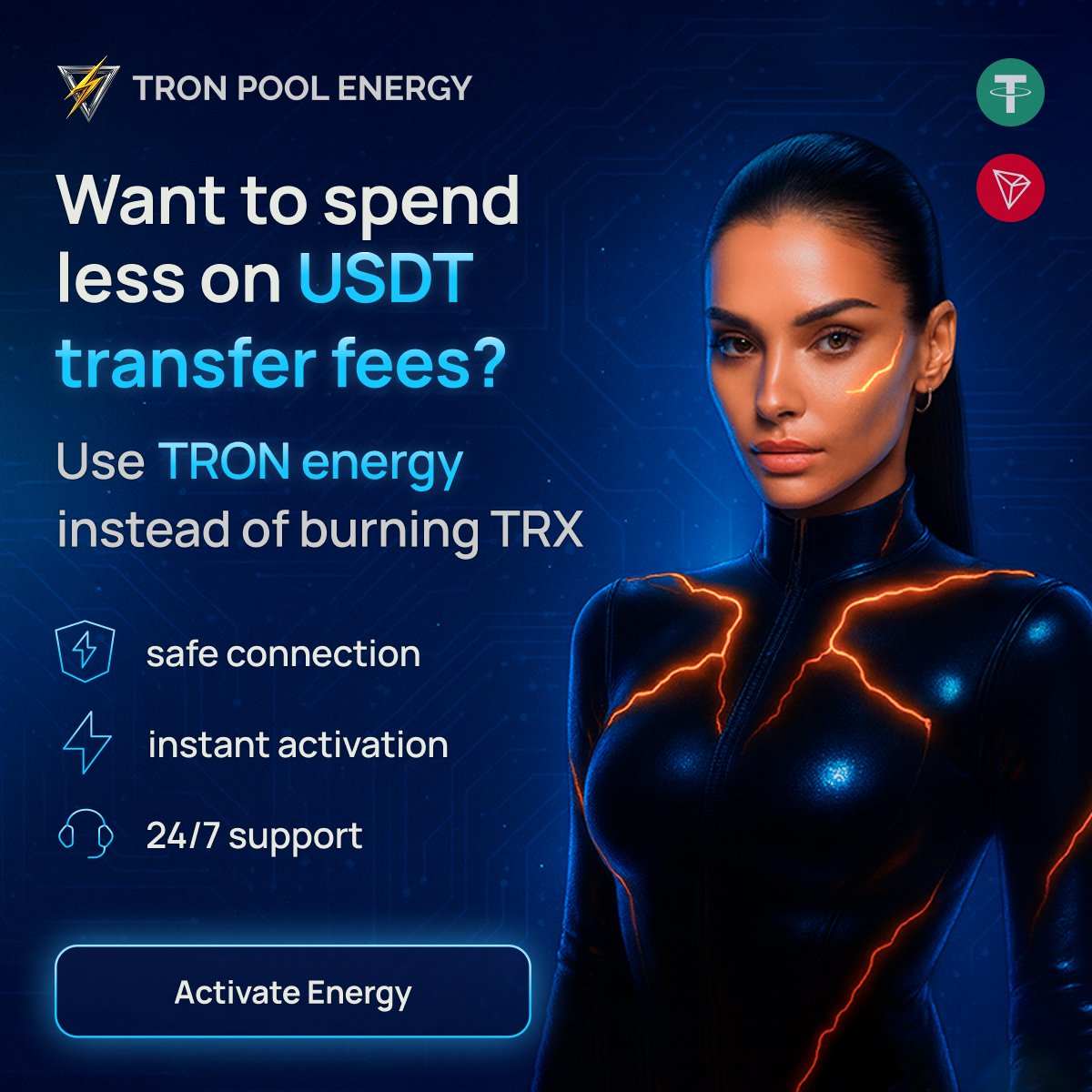
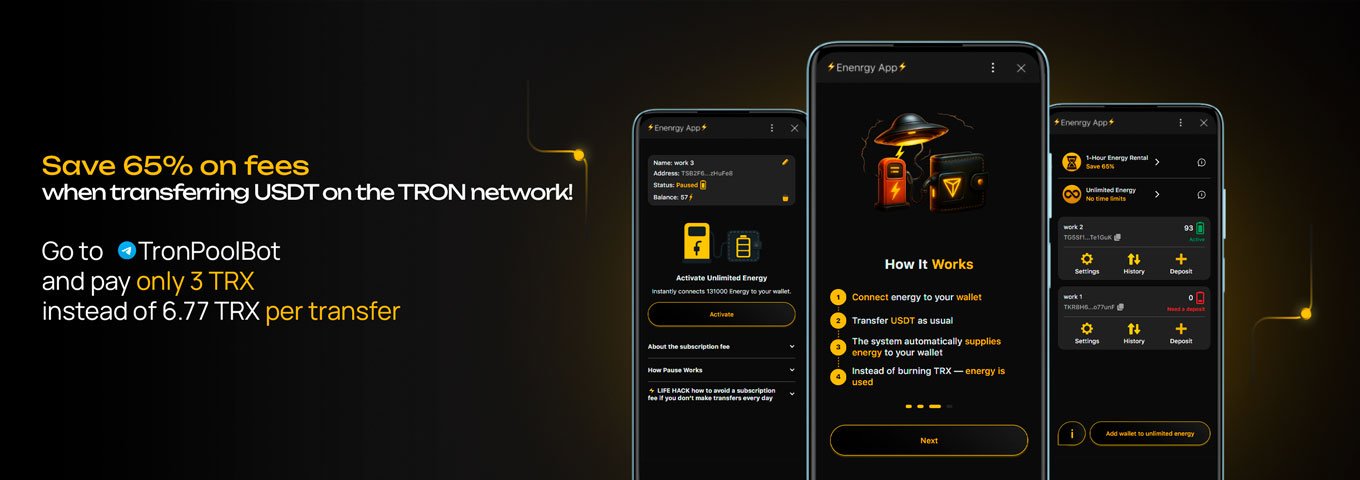
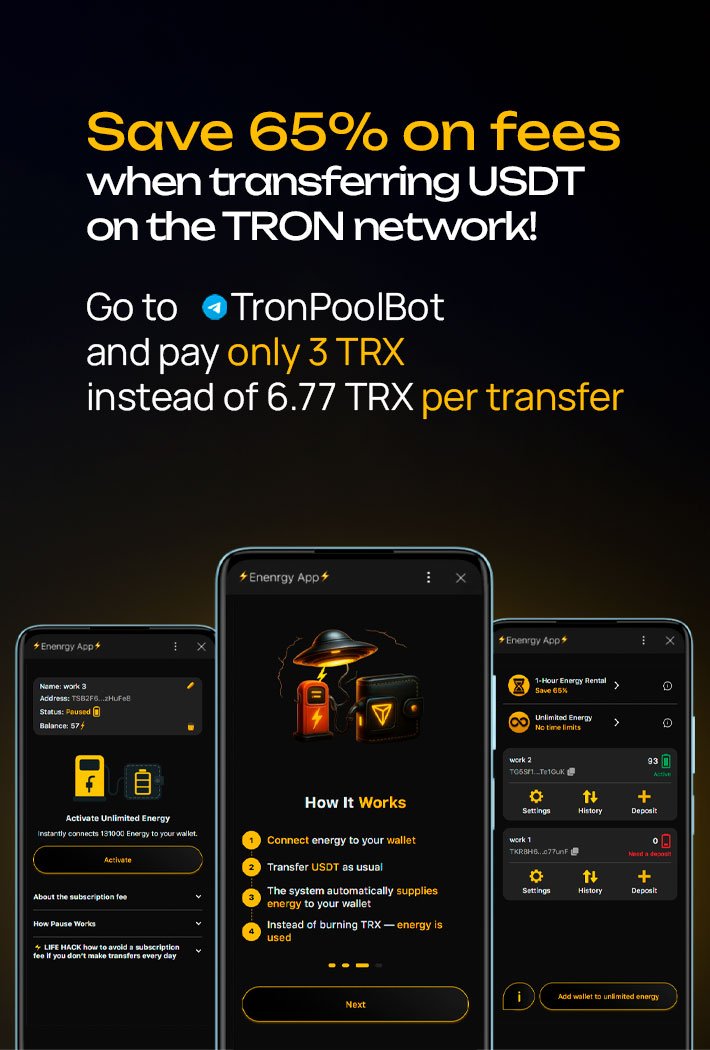
A more logical solution is renting energy through the Tron Pool Energy service. For the same amount of resources, you can pay only 3–6 TRX and cover a large volume of transfers. In this model, fee savings can reach up to 65%.
Key advantages of renting energy via Tron Pool Energy include:
Additional features include:
As a result, users can consistently send USDT TRC-20 without noticeable fee costs and without constantly buying TRX.
GemWallet proves to be a convenient wallet for working with USDT TRC-20 and correctly interacts with the TRON network resource model. If you configure token visibility, carefully select the correct network, and monitor Energy and Bandwidth resources, transfers are fast and predictable.
Burning TRX for every transaction is the most expensive way to pay fees. For one-off operations, hourly Tron energy purchases can be used. For regular or high-volume transfers, it is more efficient to connect Unlimited Energy or use team energy via the Tron Pool Energy service, minimizing the cost of USDT TRC-20 transfers.
USDT TRC-20 is a version of the USDT stablecoin on the TRON network that operates via a smart contract. In GemWallet, it is displayed as a separate token and uses TRON’s resource model, where fees depend on Energy and Bandwidth rather than the transfer amount.
You need to open the asset list, tap “+”, find USDT, and select the TRON network option. It is important to make sure that the TRC-20 network is selected, otherwise the transfer may be sent to another network and the funds may be lost.
USDT TRC-20 is always marked as TRON or TRC-20, and the receiving address starts with the letter T. If the address starts differently, another network is selected and such a transfer is incompatible with TRON.
In TRON, the fee depends not on the USDT amount but on the amount of Energy and Bandwidth used. If the recipient has never received USDT before, the first transaction requires more resources and therefore costs more.
Tron Pool Energy provides Energy via a public TRON address without access to the wallet or seed phrase. For a resource volume equivalent to 65000–131000 energy, users pay only 3–6 TRX, reducing USDT TRC-20 transfer costs by up to 65%.
Best Trust Wallet Alternatives: Top 8 Wallets for USDT TRC-20
8 reliable alternatives to Trust Wallet for USDT TRC-20: full TRON support, seed phrase import, energy management and minimal fees for USDT transfers.
2025-12-02
129

An Exchange Is Not a Wallet: Why Your USDT Is at Risk
Many users keep USDT on exchanges, unaware of the risks: account freezes, asset locks, and loss of access. Here's why you should store crypto in a decentralized wallet and how to protect your funds.
2025-07-29
137

Web3 wallet security: how anti-phishing extensions protect you
We explain how Wallet Guard, ScamSniffer and built-in filters protect wallets from phishing, malicious websites and dangerous signatures.
2025-11-20
148