



 English (EN)
 Русский (RU)
 Українська (UK)
 español (ES)
 Türkçe (TR)


Why Bitcoin Is Leaving Exchanges and What It Means for the Market
Exchanges are losing BTC as investors move to self-custody. Here’s how it changes the market and affects Bitcoin’s price.
2025-10-31
133
Authorization is required only to use the service «Team energy»
Enter the e-mail you provided during registration and we will send you instructions on how to reset your password.
An error occurred while processing your request. Please try again later. If the problem persists, please contact our support team.
MathWallet Review: a multichain Web3 wallet supporting 220+ networks, staking, DeFi, NFT tools, an AI assistant, a Demo Wallet, and Ledger integration.
MathWallet has been operating since 2019 and was created by the MATH GLOBAL FOUNDATION LTD team from Singapore. This service is not just a place to store assets, but a full-fledged Web3 tool that brings multiple ecosystems together in a single convenient interface.
Right at the beginning of the review, it is important to explain what math wallet is, because we are dealing with a non-custodial, multichain and cross-platform product that supports staking, DeFi, NFT, a built-in AI assistant and works with more than 220 networks.
In this article, we will look at:
Demand for multichain solutions for storing cryptocurrencies continues to grow, because users increasingly need a single tool to manage their portfolio, work with DApps, process transactions and interact with NFT. Against this backdrop, MathWallet is perceived as a powerful Web3 platform that combines a mobile app, browser extension and web interface into a single ecosystem.
To objectively evaluate MathWallet’s capabilities, it is easiest to look at its main parameters in a comparative format. This approach helps you quickly understand how the math wallet works as a wallet, what strengths it has and which aspects may raise questions. Below are the key metrics that most often interest users when they choose a multichain solution.
| Criterion | Score (1–10) | Comment |
|---|---|---|
| Supported networks and tokens | 10/10 | More than 220 networks and thousands of tokens. This is why in practice it offers one of the widest coverages on the market. |
| Security and key control | 6.5/10 | Non-custodial model and local storage of the seed phrase, but at the same time the wallet is Closed-Source. You have to trust the developer rather than open code. |
| Interface convenience | 7/10 | The interface is functional but overloaded for beginners. The Demo mode helps, but there are controversial design choices, such as a bug with TRON fees. |
| Backup and recovery | 9/10 | Standard backup via seed phrase, with support for restoring access on any device. |
| Integration with DeFi and Web3 | 10/10 | Built-in DApp browser, Swaps, bridges, NFT gallery and support for staking and dapps across dozens of protocols. |
| Cross-platform support | 10/10 | Mobile apps, Web and browser extension — a complete set for working from a single account across different devices. |
| Support and documentation | 8/10 | There is a knowledge base and guides, but some materials are not updated as fast as the product itself evolves. |
| Extras | 9/10 | AI Agent, Demo Wallet, MathPay, built-in Revoke, Ledger support, manual RPC switching — a strong toolkit for advanced users. |
From the table, it is immediately clear that MathWallet focuses on flexibility and functionality. It supports hundreds of networks, is deeply integrated with Web3 and offers numerous tools, including staking and dapps.
At the same time, some parameters also reflect the downsides: closed-source code affects the perception of security, and certain interface elements can complicate the first-time experience. This balance shows that the wallet is suitable for those looking for maximum functionality rather than a minimalist solution “just to get into crypto”.
MathWallet is often evaluated first and foremost from a security perspective. Users want to know whether math wallet is safe, and this question cannot be considered in only one dimension. The overall impression is influenced by everything: where keys are stored, how local protection works, how transparent the code is, and whether hardware devices can be connected. The core of MathWallet’s operation is a non-custodial model, and this is what defines its baseline level of security.
MathWallet generates private keys and a seed phrase directly on the user’s device. This data is not sent to servers or copied to cloud storage, so full control over access remains only with the wallet owner. A standard 12- or 24-word phrase is used for backup login, and everything depends on how securely it is stored: a lost phrase will no longer allow you to restore the portfolio, while its compromise will give an attacker full access to the assets.
Local protection is built on familiar mechanisms and helps to secure the app in case someone gets access to the device. Several layers of security can be used here:
These measures do not replace careful storage of the seed phrase, but they significantly reduce the risk of unauthorized wallet access.
The main debates arise from the fact that MathWallet remains a Closed-Source solution. The user cannot verify how exactly the code is implemented because:
For those who prefer the highest level of protection, hardware device support is available. Through the math wallet browser extension, you can connect a Ledger and sign transactions on a separate physical wallet. The app itself also has a useful “Approvals” (Revoke) feature that lets you quickly revoke permissions previously granted to various DApps, which is especially important after active DeFi activity.
From a technical standpoint, the security model looks strong and well thought out. The only significant drawback is the closed-source code: it forces the user to rely on trust in the developer rather than on transparent implementation.
The first steps in the app determine how quickly and safely the user will get comfortable with the wallet. That is why it is convenient to treat this section as an extended math wallet guide for beginners. A proper start reduces the risk of mistakes and helps you immediately understand how the wallet works.
MathWallet is distributed through several official channels, and the choice depends on the device the user is using. Typically, one of three options is selected:
To avoid app spoofing by attackers, it is important to download the math wallet only via official links. After installation, a standard process for creating a new wallet begins. New users typically go through the same sequence of steps, which looks like this:
This flow is suitable for those who need secure and straightforward crypto storage in math wallet, but it is important to remember that the seed phrase remains the only key to all assets.
If the user already has a recovery phrase, the account can be migrated to MathWallet without any extra steps. The math wallet import seed phrase feature allows you to restore access using the words saved earlier. The process is familiar:
This route is convenient for those who are switching from another non-custodial wallet and want to continue working with their existing assets.
The Demo Wallet deserves a separate mention — this mode is especially helpful for beginners. It shows a test balance, and users can try swaps, DApp interactions, interface checks and other features without risking real funds. This format makes it easier to understand how to use the math wallet, even if it is a user’s first encounter with Web3 or a multichain environment.
Now we can move on to what usually interests users most, because it is the math wallet features and capabilities that determine how well the wallet fits different workflows. This is not just about storing coins, but about the entire Web3 ecosystem that MathWallet builds around itself.
MathWallet is available in several formats at once, so the user can choose what is most convenient at any given moment:
Networks and accounts are synchronized, so you can view assets on your phone and connect to DApps through the extension on your laptop. As a result, the wallet feels like a full-fledged multichain control panel rather than just a single-device app.
MathWallet is not limited to its own tools and integrates third-party services. Inside the wallet, swaps are routed through different platforms:
The user gets the final route and price directly in the interface, avoiding the need to check everything manually across different websites. The only nuance is that fees and routes depend on external protocols, and sometimes it is helpful to compare the final transaction with direct use of a specific DEX.
MathWallet also helps with fiat on-ramps and off-ramps. For this, it uses third-party payment providers:
Crypto purchases are made through familiar methods, including bank cards or local payment systems. However, it is worth noting that there is no separate “Sell” button inside the wallet. Selling is done through the same gateways or compatible DApps, which is quite logical for a multichain tool that focuses on Web3 rather than classic exchange operations.
The team has added its own AI assistant to the app. It helps users navigate within the wallet and answers practical questions:
However, there are some important limitations:
The feature looks promising, but it is more of an additional tool than a core element of MathWallet.
The project ecosystem includes features aimed at a more experienced audience:
These activities involve increased risk, so beginners are better off focusing on the wallet’s core functionality first and only then moving on to more complex strategies.
MathWallet includes a full set of tools for working with Web3:
Through these tools, users gain full access to math wallet staking and dapps, as well as farming, GameFi and dozens of other Web3 directions.
For each network, MathWallet offers flexible settings. If desired, the user can:
These parameters are rarely needed by beginners, but they are important for those who work with heavily loaded networks or run their own infrastructure nodes.
In this section, the focus shifts to practical asset operations, because here it is most important to understand how math wallet crypto transfers work, how tokens are displayed and what nuances appear when working with the TRON network.
The wallet interface looks familiar even to those who have never used multichain solutions before. In the portfolio section, all assets are displayed and grouped by network. The user sees familiar elements:
For typical scenarios related to math wallet crypto storage, it is enough to select the desired network and token and set the transaction parameters. At the same time, you should pay close attention to addresses and fee costs, especially in networks with custom gas or resource mechanics.
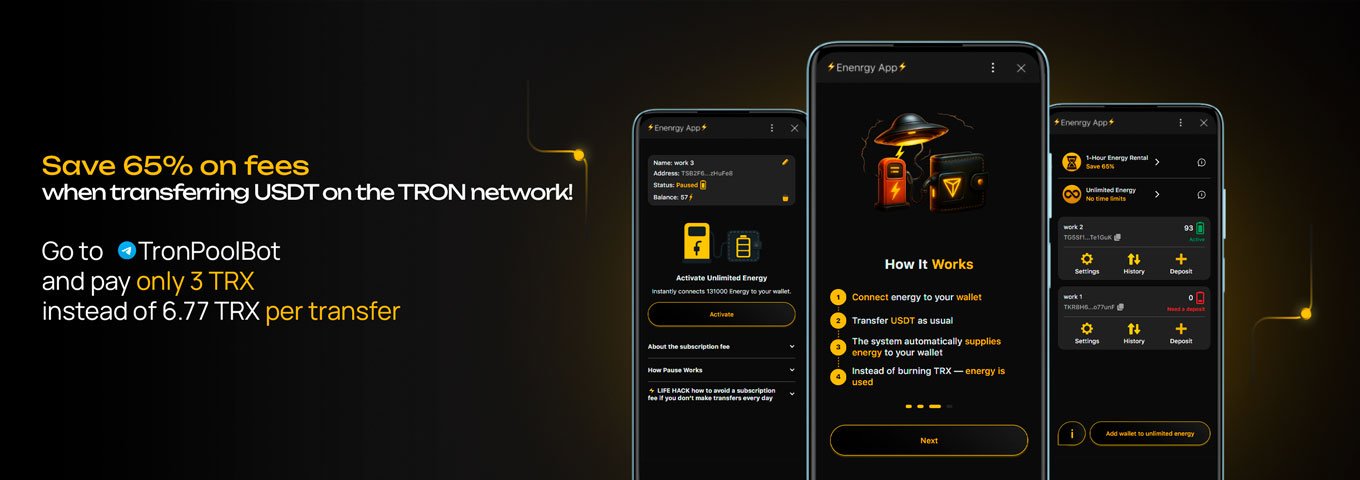
MathWallet fully supports the TRON network and the TRC-20 standard, but this is exactly where users most often notice nuances that affect convenience. To send USDT TRC-20, the wallet needs either a sufficient supply of network resources — Energy and Bandwidth — or burning TRX with each transaction.
Despite support for all TRON mechanics, several common issues arise in daily use.
First, the interface does not show the current Energy and Bandwidth balance. The user cannot tell whether there are enough resources for a specific operation, and the result becomes clear only at the moment of sending. In other wallets, these metrics are displayed upfront, making it easier to estimate the fee in advance.
Second, when there is no energy, MathWallet sometimes shows an incorrectly inflated fee. On the screen, this may look like 26.9997 TRX, while the actual TRX burn for a USDT TRC-20 transfer without Energy is usually around 13,37 TRX. This is a visual interface error, not the real transaction cost.
In practice, it works like this:
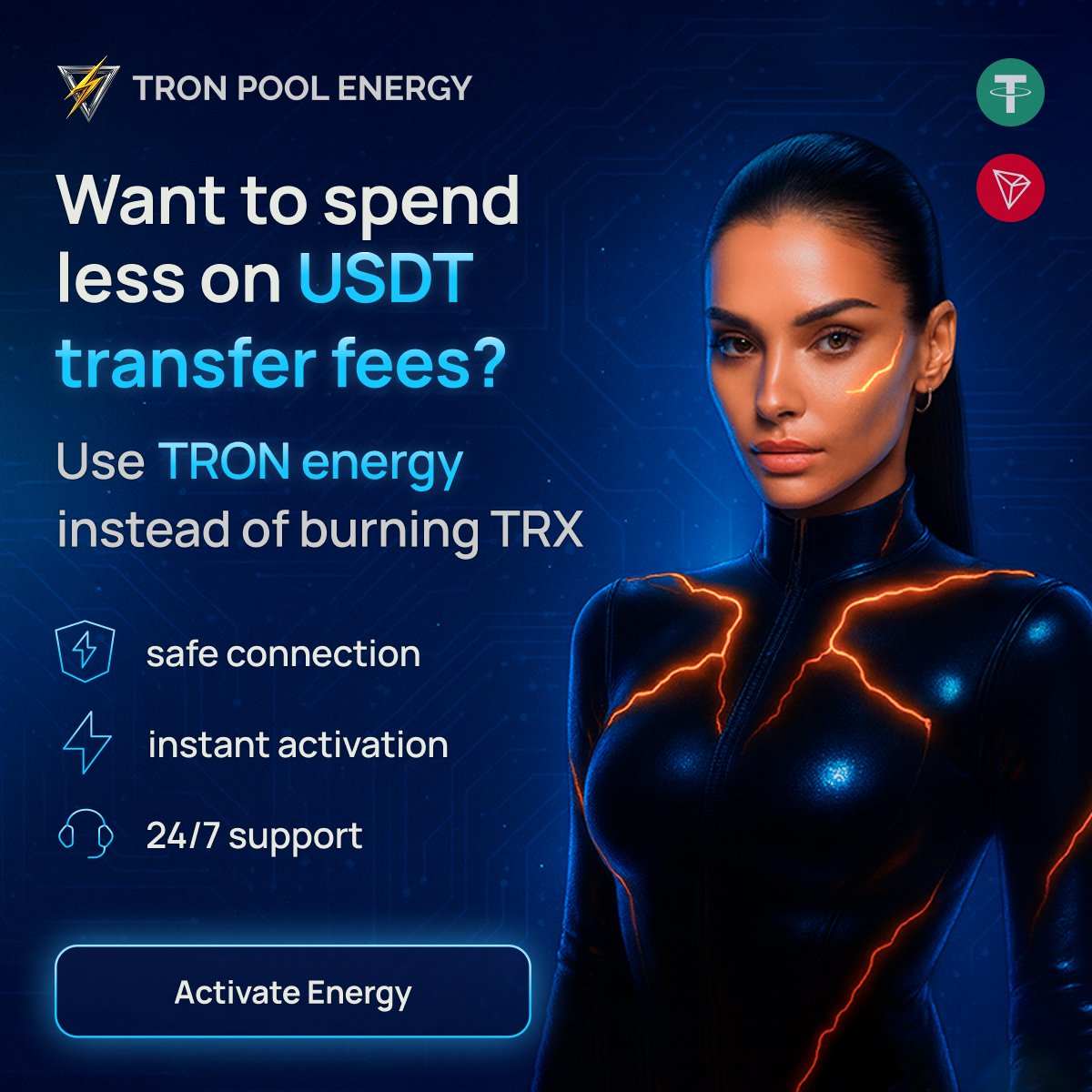
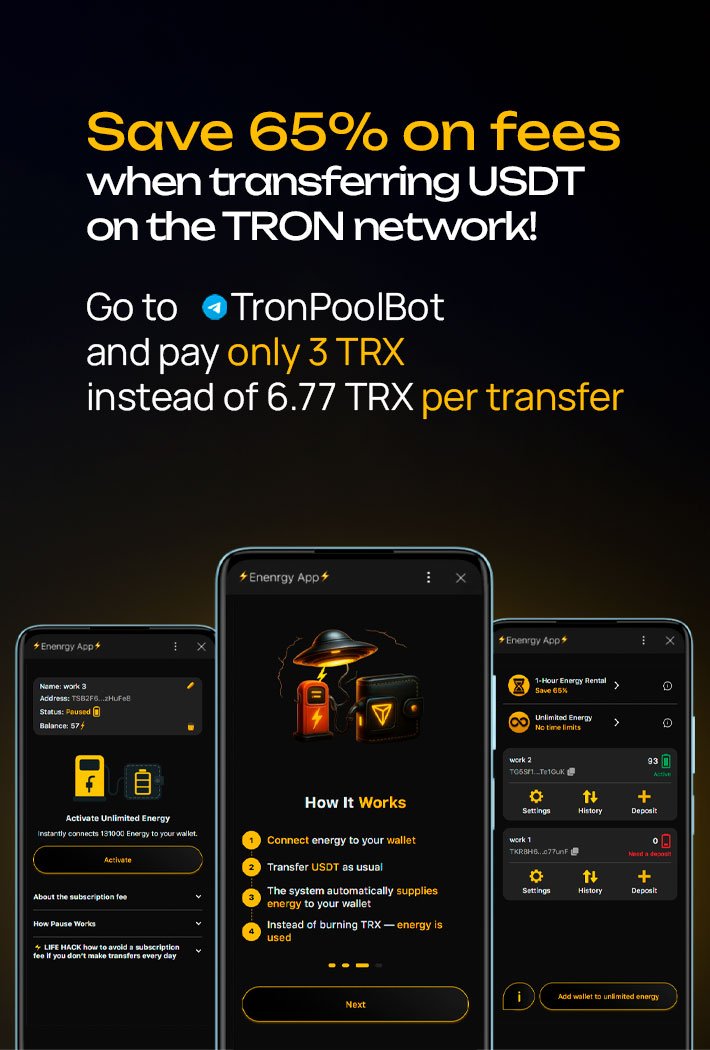
To avoid such situations, many users prefer to pre-purchase TRON energy via the Tron Pool Energy service. In this case, the transfer is paid with pre-bought energy rather than by burning TRX, which allows you to save up to 65% on fees. The service also offers instant and secure activation as well as 24/7 user support.
Based on the functionality and what math wallet user reviews often highlight, we can summarize the strong and weak points in a table:
| Pros | Cons |
|---|---|
| Support for more than 220 networks and tokens | Closed-source code (Closed-Source), no transparency of implementation |
| Demo Wallet for safe onboarding and interface exploration | Interface is overloaded for beginners and takes time to get used to |
| Cross-platform: mobile, Web, extension, Ledger support | TRON issues: no TRX staking out of the box, no visible Energy/Bandwidth |
| AI agent, Revoke, manual RPC switching | Fee display bugs on TRON, which make the amount look higher than it actually is |
| Deep integration with DeFi and DApps, staking, NFT | High entry threshold for AI Agent (balance > $1,000), chat limits |
| Ability to use the wallet as a multichain hub | It is usually beginner users who most often point out the weak spots |
Summing up the impression, users note that MathWallet offers tremendous opportunities thanks to support for a large number of networks, many tools and convenient cross-platform support. At the same time, some complaints are related to the fact that the interface requires some experience, and working with TRON does not always feel intuitive. This is exactly what user reviews most often reflect, especially from those who are just starting out with multichain wallets.
If you look at a comparison in the math wallet alternative to Trust Wallet format, the advantages are split differently. MathWallet wins thanks to the number of networks and the depth of integration with Web3 services, while Trust Wallet remains a more straightforward and predictable option for a broad audience, especially when it comes to interface simplicity and working with TRON.
This math wallet review shows that the wallet is more oriented toward users who are already familiar with Web3 and value a wide selection of networks and tools. For such users, MathWallet works as a powerful multichain hub where you can combine DeFi, staking, NFT, bridges and flexible settings in a single interface.
MathWallet is a good fit for those who actively operate in multiple ecosystems, use niche networks and genuinely appreciate the extensive set of options captured by the math wallet supported networks wording. This type of wallet is also convenient for users who want to keep storage, swaps, DApps and NFT all in one place.
However, there is a group of users for whom MathWallet is unlikely to be the right choice. Beginners will find it hard to figure out even with hints. For those who consider open-source code critical, security will become a decisive argument against it. And complete newcomers who are just discovering crypto will find it too complex, even with guides.
If you actively use USDT TRC-20, you should take a closer look at how the wallet interacts with this network and how it handles TRON energy.
MathWallet is a multichain Web3 wallet with support for 220+ networks.
It allows you to store assets, connect to DApps, work with DeFi and NFT, and use a built-in AI assistant.
The wallet is non-custodial — keys are stored locally on the device. At the same time, the code is closed (Closed-Source), so the user has to trust the developer rather than a public audit.
MathWallet really does not show the available TRON energy in the interface, which may make it seem like the wallet does not support it at all. In reality, this is not the case — the app is fully compatible with TRON energy and automatically uses it when available. Therefore, if needed, you can purchase it via Tron Pool Energy and process USDT TRC-20 transfers without burning TRX while saving up to 65%.
Yes, MathWallet supports the TRON network and the TRC-20 standard. However, the lack of visible Energy/Bandwidth makes fee estimation less obvious for the user.
The app allows you to import a wallet using a 12- or 24-word seed phrase. After entering the words in the correct order, a local copy of the wallet is created on the new device.
Yes, MathWallet is compatible with Ledger via the browser extension. Transactions can be signed on the physical device for additional protection.
Why Bitcoin Is Leaving Exchanges and What It Means for the Market
Exchanges are losing BTC as investors move to self-custody. Here’s how it changes the market and affects Bitcoin’s price.
2025-10-31
133

How to Avoid Scams and Phishing in Crypto: Practical Protection
Fake sites, bots, and cloned apps steal your seed phrases and access. Learn how to stay safe and quickly regain control of your crypto.
2025-10-23
129

Switch to another crypto wallet via seed phrase without losing your address or tokens
Switch your wallet app (Trust Wallet → Exodus, etc.), enter the same seed phrase — your address and tokens stay on the blockchain. No transfers needed.
2025-11-12
164