



 English (EN)
 Русский (RU)
 Українська (UK)
 español (ES)
 Türkçe (TR)



How Bandwidth Works in TRON
Complete breakdown of TRON Bandwidth: calculation formula, usage order, delegation and fees when the resource is insufficient.
2026-02-20
179
Authorization is required only to use the service «Team energy»
Enter the e-mail you provided during registration and we will send you instructions on how to reset your password.
An error occurred while processing your request. Please try again later. If the problem persists, please contact our support team.
We explain how Burn TRX works on TRON: when coins burn, how much TRX you lose, and how to reduce fees for USDT TRC-20 transfers.
In the TRON blockchain, transactions are paid for with network resources — Energy and Bandwidth. If there are enough resources on the account, the transaction goes through for free. But if resources are insufficient, the network activates a protective mechanism — automatic burning of TRX from the sender’s balance.
Burn TRX is not a penalty. It is a built-in function that allows a transaction to be executed even with a complete lack of resources. Burned coins are permanently removed from circulation. The difference between proper resource management and its absence ranges from 0 to 13+ TRX per single USDT transfer.
Burning occurs in two cases — when there is insufficient Energy and when there is insufficient Bandwidth. Each resource has its own fixed price.
Energy — a computational resource for smart contracts.
Burning price: 1 Energy = 100 sun = 0.0001 TRX (network parameter #4).
There is no free Energy quota — with zero Energy, every contract call burns TRX.
Bandwidth — a throughput resource for any transactions.
Burning price: 1 Bandwidth = 1,000 sun = 0.001 TRX (parameter #11).
Each account receives 600 free units per day, so Bandwidth burning happens less frequently.
Energy accounts for more than 95% of the fee when transferring USDT. Bandwidth — the remaining ~5%. It is the lack of Energy that leads to the main TRX losses.
| Operation | Energy | Bandwidth | TRX Burned |
|---|---|---|---|
| TRX Transfer | — | ~268 units | ~0.27 TRX |
| USDT → address with USDT | ~64,285 units | ~345 units | ~6,77 TRX |
| USDT → new address | ~130,285 units | ~345 units | ~13,37 TRX |
| Swap on DEX | ~150,000+ units | ~350 units | ~15+ TRX |
The transfer amount does not affect burning. Sending 10 USDT or 100,000 USDT costs the same — what matters is only the type of operation and whether the recipient’s address already holds USDT.
| Priority | Source | Comment |
|---|---|---|
| 1 (highest) | Delegated resources | Energy/Bandwidth from another account |
| 2 | Own (staking) | Your frozen TRX |
| 3 | Free Bandwidth | 600 units/day (Bandwidth only) |
| 4 (last resort) | TRX Burning | Automatic, irreversible |
If at least one source fully covers the requirement — no TRX is burned. With partial Energy coverage, the network uses available resources and burns TRX only for the missing portion.
The account has 20,000 Energy (from staking). A USDT transfer requires ~64,285. The network uses 20,000 from staking, and compensates the remaining 44,285 by burning: 44,285 × 0.0001 = 4.43 TRX. Instead of 6,77 TRX with no resources at all — a 35% saving.
TRX Staking. You freeze TRX — you receive Energy or Bandwidth. With sufficient stake, the fee = 0 TRX. Even a partial stake reduces consumption: every unit of Energy from staking means minus 0.0001 TRX in burning.
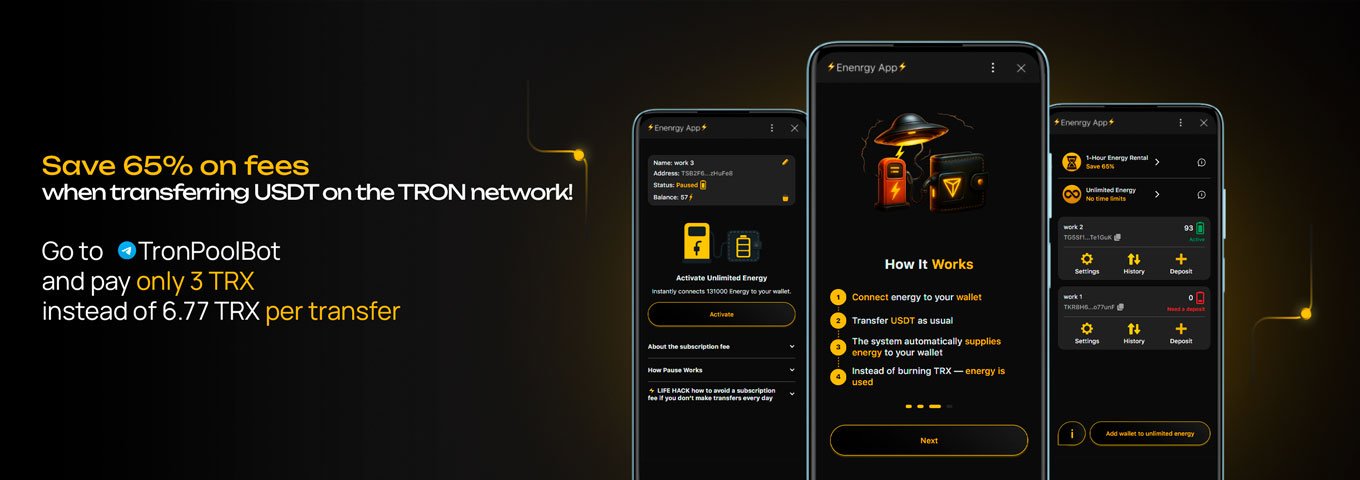
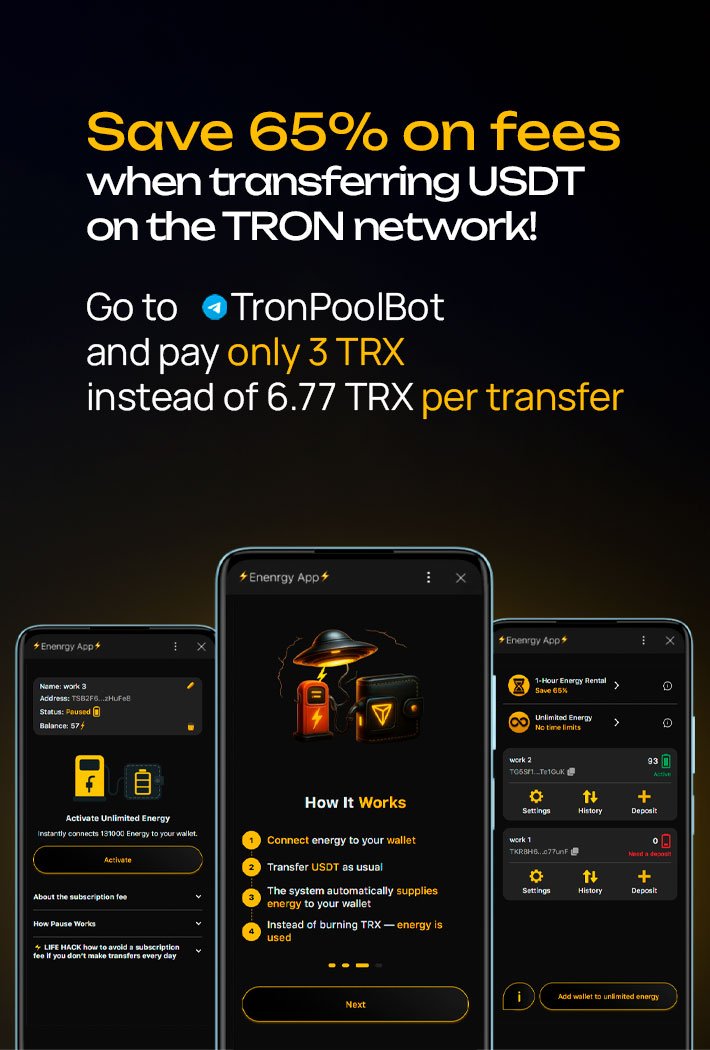
Energy Renting. Rental services delegate Energy to your wallet. The rental cost is 2 times lower than burning — savings of up to 65%. A USDT transfer will cost 3 TRX instead of ~6,77 TRX.
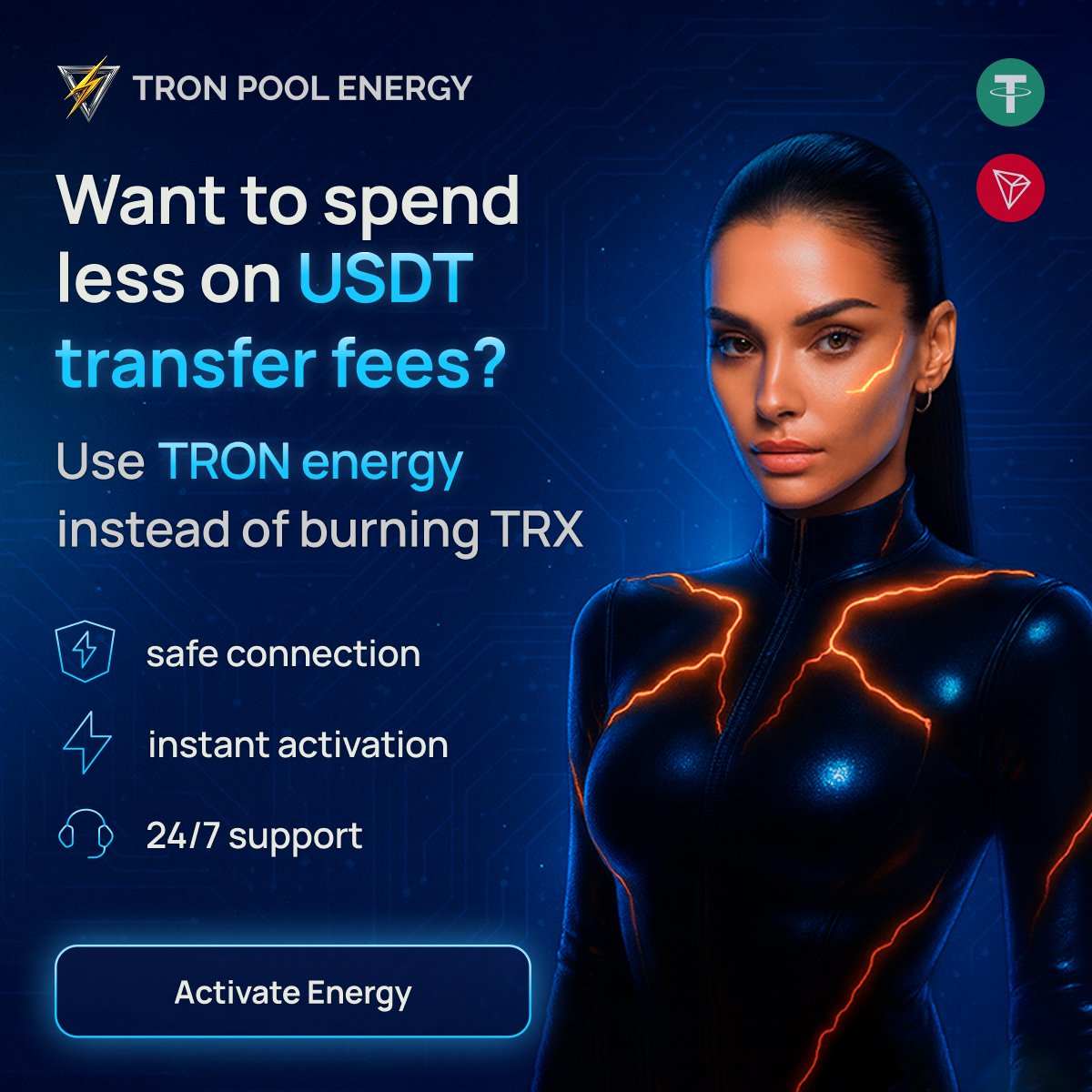
Delegation. Stake TRX on one account and delegate resources to operational wallets. No need to hold TRX on every wallet.
Sending to addresses with USDT. ~64,285 Energy instead of ~130,285. The difference is almost 2×. If possible — ask the recipient to top up the address with a minimal amount of USDT in advance.
Burn TRX is a protective mechanism, not a punishment. The network burns coins only when there are no available resources.
The price is fixed: Energy — 0.0001 TRX/unit, Bandwidth — 0.001 TRX/unit.
The main expense item is Energy (>95% of the fee when transferring USDT).
Burned TRX is not refundable — permanently removed from circulation.
Burning can be completely avoided — through staking, renting, or delegating Energy.
Control your resources, use staking or Energy renting — and don’t lose TRX to burning.
How Bandwidth Works in TRON
Complete breakdown of TRON Bandwidth: calculation formula, usage order, delegation and fees when the resource is insufficient.
2026-02-20
179

TRON Energy — Practical Use for Saving on Fees (TRON ENERGY)
What is TRON Energy and how does it help save on USDT TRC-20 transfer fees?
We explain how to use TRON ENERGY instead of burning TRX: rental, staking, and transaction packages.
2025-07-30
119

How to Send USDT TRC-20 Without TRX: 3 Proven Methods
Got USDT on the TRON network but no TRX to send it? Discover three proven ways to avoid buying TRX — from Tron Gas Free to TRON Energy rental.
2025-07-30
132