




 English (EN)
 Русский (RU)
 Українська (UK)
 español (ES)
 Türkçe (TR)



DefiLlama and TVL: How to Read DeFi Liquidity
A breakdown of DefiLlama: TVL, liquidity dynamics, stablecoin distribution, and chain analytics. How to read data and understand DeFi trends.
2025-11-18
177
Authorization is required only to use the service «Team energy»
Enter the e-mail you provided during registration and we will send you instructions on how to reset your password.
An error occurred while processing your request. Please try again later. If the problem persists, please contact our support team.
How DeFi lending works: a capital market without banks, collateral logic, liquidations and interest rates. A breakdown of risks and investor yield mechanics.
DeFi lending is often mistaken for a “loan on the blockchain”, although this system is organized quite differently. There are no banks, scoring, or managers deciding who can be given money. All the work is done entirely by code, and stability is ensured by collateral and market demand, so the rules are the same for everyone and do not depend on human decisions.
In this article you will understand:
The material helps you understand the general logic of DeFi lending, figure out what it is based on, and see why this system can be useful for some investors but absolutely unsuitable for others.
If we simplify the technical side, DeFi lending is an open capital market. Some users supply their assets to a liquidity pool, while others borrow them against collateral in the form of other crypto assets. The pool is managed automatically because a lending smart contract is responsible for everything, not a bank or company. The contract does not hold funds custodially and simply executes the pre-defined rules.
In such a system there are no managers who can approve or reject an application. Nobody checks identity, income, or credit history. Participation is available to anyone who can provide sufficient collateral. This model works as permissionless and non-custodial infrastructure and makes it possible to use defi no-KYC credit, where the rules are the same for everyone and do not depend on the user’s status.
Protocols like Aave or Compound do not try to assess the borrower or analyze their reliability. They solve the problem through precise collateral math that works the same for everyone.
In DeFi lending, the borrower always leaves more collateral than they borrow. This is how overcollateralization works in simple terms, because in an anonymous system it is the only reliable way to protect lenders. If a person needs to get $1000 in USDC, the protocol will require depositing about $1500 in ETH. The exact ratio depends on the asset’s risk, and the more its price fluctuates, the higher the collateral requirement.
When the value of the collateral starts to fall, there is a risk that it will drop below the amount of the debt. To control this moment, the protocol uses the Health Factor, which shows how safe the borrower’s position is. When the indicator drops below 1, the system triggers liquidation of the position in defi. The smart contract sells part of the collateral, closes the debt, and withholds a penalty for the liquidator. This is unpleasant for the borrower, but such a scheme protects lenders and makes crypto collateralized lending resilient even without intermediaries who could grant a grace period.
For this reason, loans secured by cryptocurrency are considered a strict but fair system, where any sharp market move or user error can lead to forced liquidation.
Interest in DeFi is formed not through protocol bonuses but entirely through borrowers’ payments. They pay for access to liquidity, and it is this demand that determines the final rate. The higher the load on the pool, the more expensive the loan becomes, and the more lenders earn.
There is no administrator in the system who sets the terms. The rate is formed by the market balance of supply and demand. This is exactly how interest works in defi, and that is why this mechanism is considered fair and transparent.
If there are almost no free funds in the pool, borrowers start to compete with each other and the rate rises quickly. When there is a lot of liquidity, the situation reverses and the interest rate drops noticeably. Therefore, the answer to the question where interest in defi comes from is always the same: it is paid by borrowers, and the level of yield is determined by the market, not the protocol.
When an investor supplies assets to a pool, they receive two types of profit. This earning format looks simple, but it is important to remember that any interest in DeFi is tied to the demand for liquidity and the protocol’s risks. The higher the yield, the more carefully the situation needs to be evaluated, because high rates often appear in conditions where there is little liquidity in the pool, the protocol is too new, or the debt token raises doubts.
This is the main source of profit, formed from the interest paid by borrowers. The income is never fixed, because it depends on the pool’s utilization and real demand for the asset. If liquidity is scarce and borrowers actively compete for capital, the rate increases and the base income grows. When free funds are abundant, the situation changes — the interest rate falls along with demand. This dynamic shows how real yield in defi lending is formed, where the final result fully reflects the market situation rather than marketing promises.
Some protocols additionally reward lenders with their own tokens, such as COMP or AAVE. This is more of an incentive to maintain liquidity than a mandatory part of income. The reward program can appear and disappear at any moment, so such a stream should not be perceived as stable. It is a nice bonus, but not the basis of a strategy.
This model is noticeably different from farming in DEXs, where there are liquidity pairs and the risk of Impermanent Loss. Lending has its own risk set, but the principle remains the same: the investor earns by providing liquidity to the market. That is why it is important to understand the protocol’s mechanics if you want to figure out how to make money on defi lending and at the same time avoid a situation where a high rate hides excessive risk.
At first glance, it really seems illogical to lock up an asset worth more than what you are going to borrow. In reality, such operations have clear economic motivation, and a large part of the demand for loans in DeFi is built on them.
Each of these cases shows that loans in DeFi are not a way to “live on credit” but a capital management tool that helps optimize taxes, strengthen positions, or find additional yield.
To keep rates market-driven and independent of administrative decisions, protocols use the pool utilization ratio, called the Utilization Rate. This indicator reflects what share of liquidity has already been borrowed, and it is what determines rate dynamics. The higher the utilization, the more expensive access to capital becomes.
The system works like this:
This model creates a natural balance. It becomes unprofitable for borrowers to take capital at high utilization, while lenders are motivated to supply their assets because income increases. This explains why rates in defi are floating: they are set by the market based on current liquidity availability.
This is exactly how the yield vs risk logic in defi arises, where a high rate does not look like a gift and reflects real tension in the pool. The higher the demand for liquidity, the higher the lender’s potential profit and the greater the risk associated with rapidly changing conditions.
The DeFi lending market has been developing for several years, and during this time a group of protocols has formed that has become the standard for the entire sector. They operate on similar principles, but each has its own specialization and approach to liquidity management. The choice of platform depends on the ecosystem, the set of available assets, and the level of risk the user is willing to accept.
This protocol is considered one of the largest and most flexible. It offers a wide range of assets, separate modes like E-Mode, and a mechanism for issuing aTokens that reflect accrued income. This is how Aave deposit interest is formed, showing the real utilization of the pool and not depending on administrator decisions.
This project adheres to a minimalist approach that makes it particularly resilient. Lenders’ income is expressed through cTokens, and this model has earned the platform a reputation as a reliable tool. This is how Compound yield for lenders works, which has become the basis for many strategies in the market.
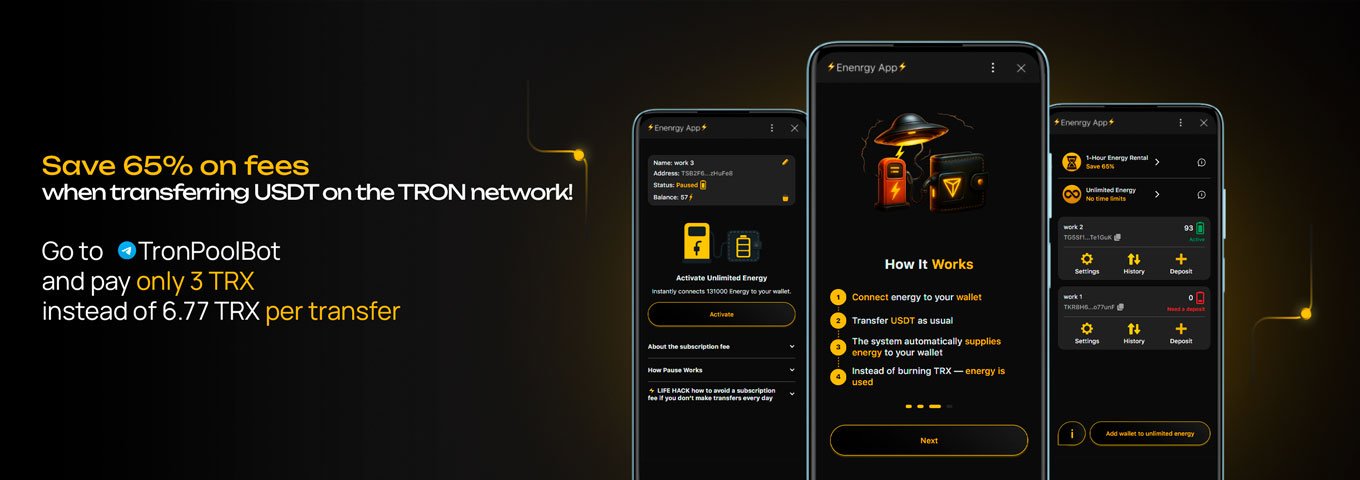
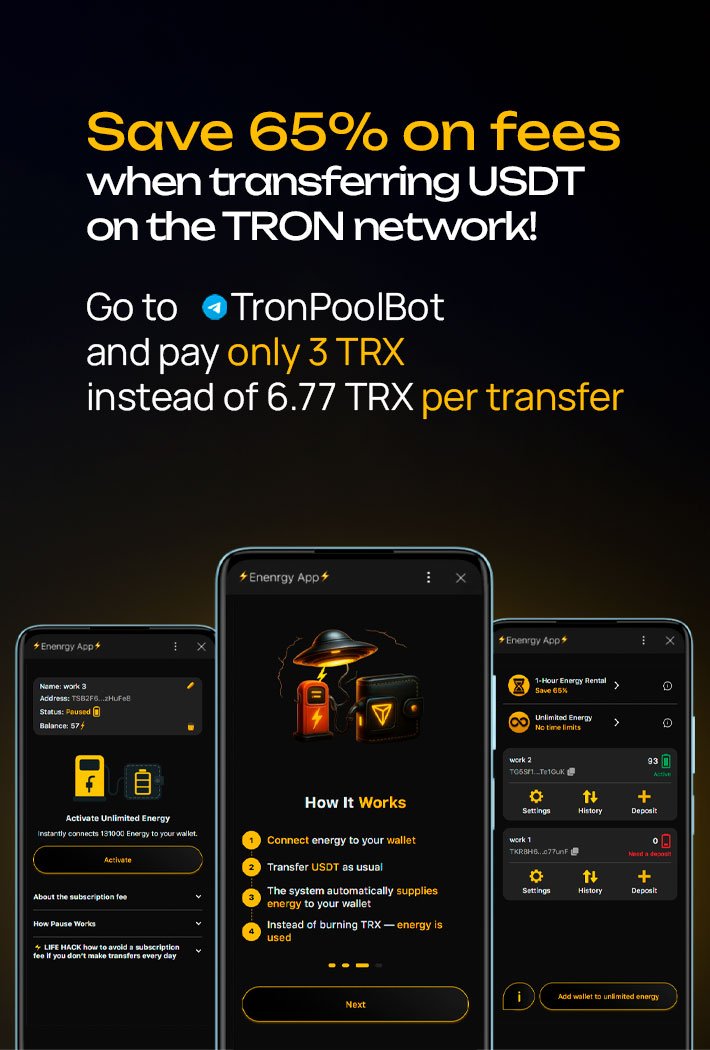
This is the main lending protocol of the TRON network, focused on TRX and stablecoins. It suits users who actively work with the TRC-20 ecosystem and provides a clear justlend tron overview within the network. Collateral operations require Energy resources, so many users optimize fees through the Tron Pool Energy rental service.
In all these protocols, rates remain floating because they depend only on supply and demand. There are no fixed interest rates here, and this is a key principle of the liquidity market.
DeFi lending looks like a simple tool, but it is far from suitable for everyone. There is no insurance, support service, or guarantees in this system, so the user bears full responsibility. Understanding the risks is a key element, without which participation in such protocols becomes dangerous.
Main risks:
Each investor faces several types of threats:
That is why it is important to understand in advance whether it is safe to lend crypto through defi. Participation can be considered acceptable if you are aware of the possible consequences. It is unacceptable if you are counting on guarantees similar to those of banks.
Who is it suitable for?
Who is it not suitable for?
This is how an understanding of how to choose a defi lending platform is formed, because a competent choice is based not on the yield percentage but on the mechanics, the protocol’s resilience, and your own level of preparation.
DeFi lending functions as a full-fledged capital market where no one promises yield in advance because it is determined solely by demand for liquidity. The system is based on collateral, liquidation mechanics, and open access to credit without intermediaries. There are no guarantees like those provided by banks, but there is a clear incentive structure in which responsibility is distributed transparently.
An investor’s income appears as payment for risk and as compensation for supplied capital. Freedom from intermediaries requires attentiveness, so it is important to understand protocol mechanics, not chase high rates blindly, and consider all possible risks before allocating funds.
Disclaimer: DeFi lending is a market of risk and return, not an analogue of a bank deposit.
DefiLlama and TVL: How to Read DeFi Liquidity
A breakdown of DefiLlama: TVL, liquidity dynamics, stablecoin distribution, and chain analytics. How to read data and understand DeFi trends.
2025-11-18
177

Uniswap and Alternatives: How to Swap Crypto and Provide Liquidity
Explaining how to use Uniswap and other DEXs: swaps without CEX, fees, liquidity pools, LP tokens, impermanent loss risks and key safety rules.
2025-12-01
196

Web3 wallet security: how anti-phishing extensions protect you
We explain how Wallet Guard, ScamSniffer and built-in filters protect wallets from phishing, malicious websites and dangerous signatures.
2025-11-20
148