 English (EN)
 Русский (RU)
 Українська (UK)
 español (ES)
 Türkçe (TR)

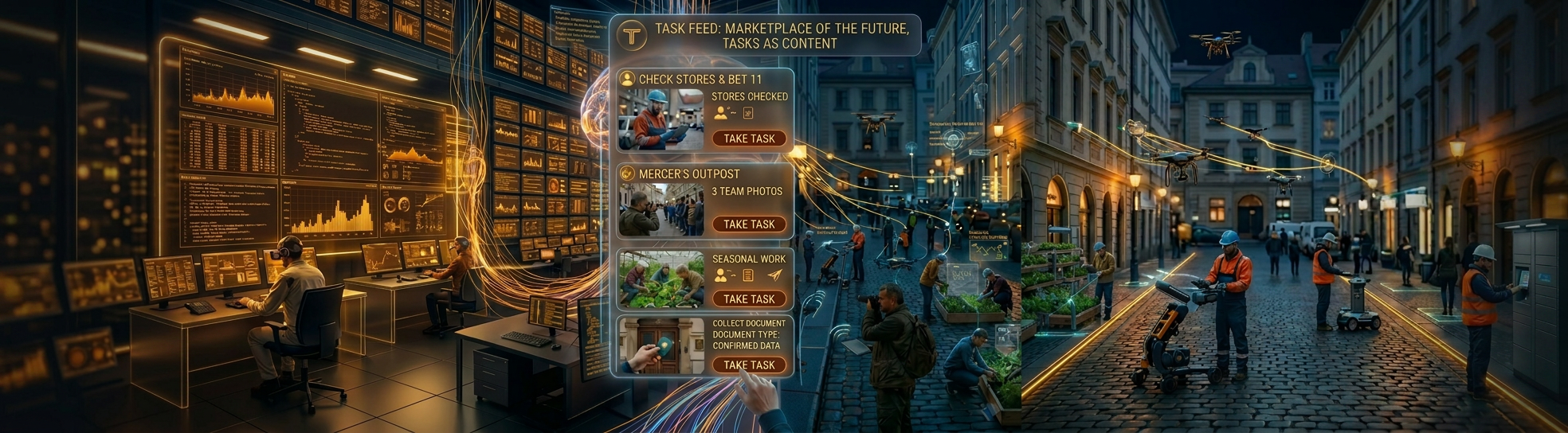
Startup Idea 2026: AI Assigns Tasks, Humans Execute
AI can do almost everything—except step out into the real world. DoTask AI bridges that gap. We break down the idea, monetization, and the path to launch.
2026-04-16
147






Support
Authorization is required only to use the service «Team energy»
Ваш аккаунт заблокирован. За детальной информацией обращайтесь в службу поддержки.
Enter the e-mail you provided during registration and we will send you instructions on how to reset your password.
An error occurred while processing your request. Please try again later. If the problem persists, please contact our support team.
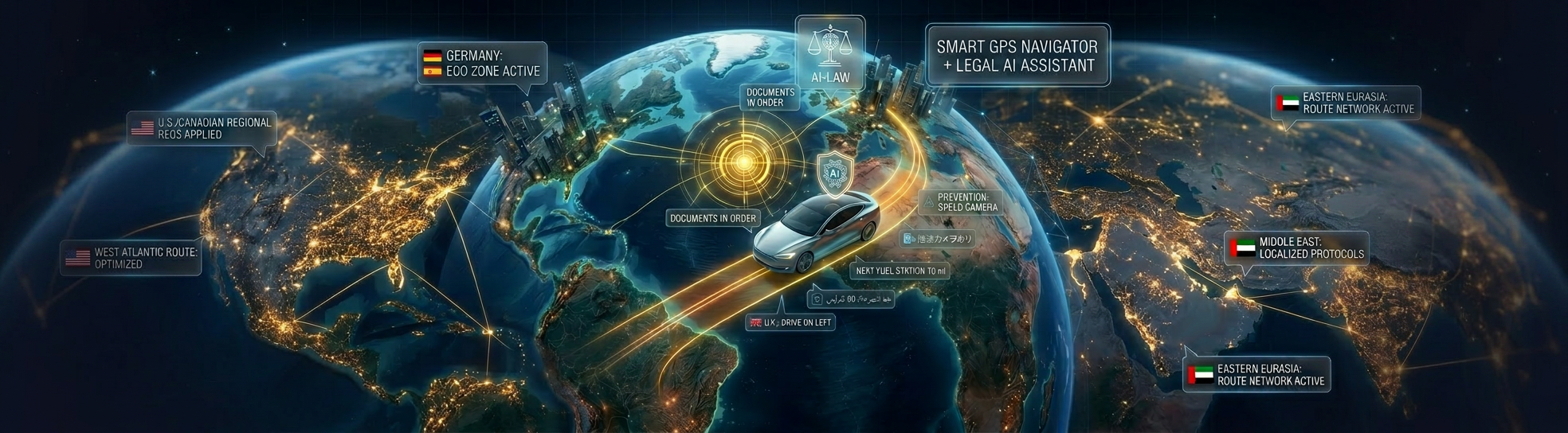
AI in Your Car: Navigation, Accident Recording, and a Legal Assistant in One Device. We break down the LawDrive AI startup idea and why 2026 is the perfect time.
In 2026, startup ideas are increasingly built on rethinking conventional devices. One of the strongest trends is combining "oldschool" devices with artificial intelligence and mobile applications. At this intersection emerges the concept: smart GPS navigator + dash cam + AI assistant with voice control.
This is not just a gadget — it's a full-fledged digital driver assistant.
Imagine a device installed in a car that combines several functions at once:
Essentially, it's a "driver-lawyer" who is always by your side.
The device combines three separate services into one gadget with artificial intelligence:
The driver speaks an address and the system builds a route. But here's where AI works: it analyzes traffic jams in real time, data on road repairs and accidents, and selects the optimal path. It updates every minute, not once a day like regular navigators.
It records everything that happens on the road, but stores not the entire video file, but only key moments. The system itself recognizes sharp braking, collisions, dangerous maneuvers of nearby cars and saves these fragments. Everything else is automatically deleted, saving memory.
A typical morning scenario for an average driver with such a device:
This is not science fiction — it can be built right now based on existing APIs and services.
The device operates on the basis of:
All of this already exists in open access. The task is to put it together and train the model on data about world roads and laws in different countries.
The revenue model is multi-level:
The market has navigators, dash cams, even several AI applications. But there is no integrated solution that does everything at once and is trained on the legislation of different countries.
Barriers for competitors:
If you capture this niche first, the leader gets data that will be difficult for competitors to replicate later.
By 2026, AI has become more accessible, cloud computing is cheaper, and drivers are willing to pay for solutions that work. The number of accidents and fines is growing, confidence in road services is declining — this creates demand.
Besides, the implementation of smart services on roads is just beginning. The project could become part of the "smart city" ecosystem.
An AI navigator with a dash cam and legal support is not just a device, but a digital driver assistant. The project solves real problems, has multiple revenue streams, and can scale to both mass market and corporate market.
Technically, everything is feasible right now. The only thing needed is speed in launch and the ability to work with data. The first to market will have a tremendous advantage.
Ready to launch the project? Follow updates in our Telegram channel. Technical consultations — contact the manager.
Creating an AI navigator is not just assembling a device, but integrating a complex ecosystem: AI models, video analytics, navigation APIs, and legal databases of different countries. Architectural errors can cost time and money. A professional team already has experience, expertise, and access to infrastructure, allowing faster market entry and immediate scalable product development.
By 2026, manufacturing has become much simpler: you can order housings, boards, and components for specific tasks through contract manufacturers. Any metal and plastic elements are custom made with fast delivery. This lowers the barrier to entry and allows focusing on what's important — the software and AI.
Demand forms from several trends at once: growing use of AI, increasing number of drivers working in different countries, and need for safety. People want not just a navigator, but an assistant that reduces risks and saves money. This creates ideal conditions for launch and attracting investment.
Global mobility is growing: people increasingly travel between countries, work abroad, or road trip. Yet laws, rules, and police behavior differ everywhere. A mistake can lead to fines or document problems. An AI assistant helps navigate these differences in the moment and gives the driver confidence in any country.
Startup Idea 2026: AI Assigns Tasks, Humans Execute
AI can do almost everything—except step out into the real world. DoTask AI bridges that gap. We break down the idea, monetization, and the path to launch.
2026-04-16
147
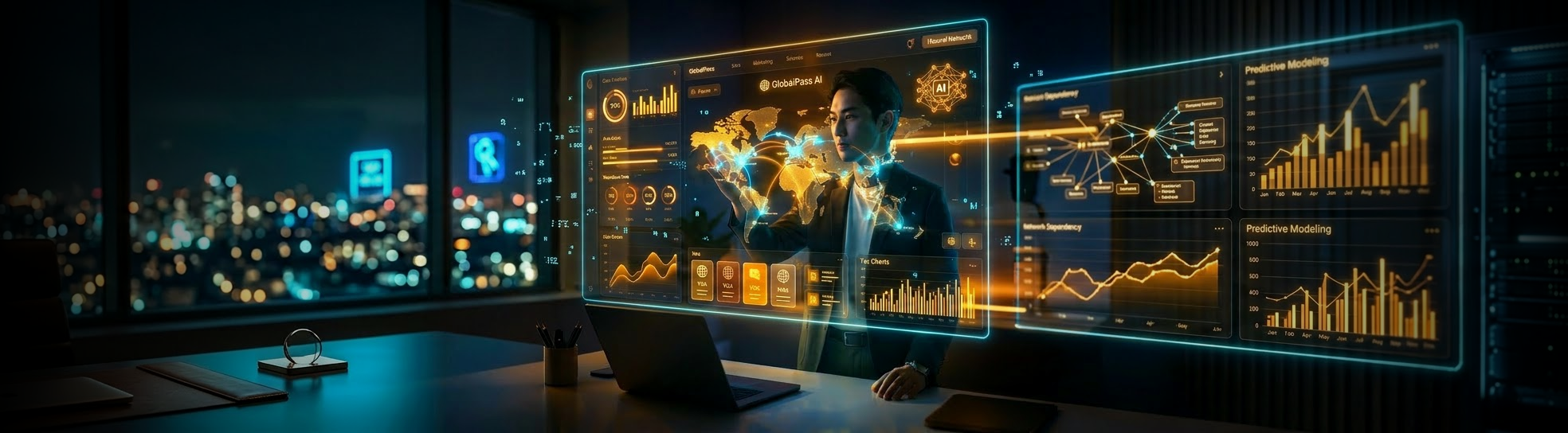
Startup idea in 2026: “GlobalPass AI” — how to profit from the pain points of the relocation market.
The relocation market is generating strong demand, yet no one has fully systematized it. GlobalPass AI is a startup idea that solves a real pain point.
2026-04-15
137

Dating for Crypto Millionaires: A Startup Idea
The New Trend: Crypto Dating — Why the Niche Is Still Open and How to Launch a Startup on a Minimal Budget
2026-04-13
114

Reduce USDT TRC-20 transaction fees for frequent transfers from a single wallet with no time limits

Quick activation for one-time and occasional USDT TRC-20 transfers

Fund a shared balance and distribute TRON Energy and Bandwidth across multiple wallets

Automatic TRON Energy delegation for exchanges, swap services, and payment platforms

Quick access to Tron Pool Energy services directly in Telegram

Fast USDT TRC-20 to TRX swap, no exchange or registration required

Get all the benefits of Telegram at up to 15% less than through the App Store and Google Play

Gifts, reactions, and digital content with USDT TRC-20 — no registration required

Get a custom TRON address with your name, brand, or nickname